Love the idea of a shady front porch, original woodwork, and a quick hop to central Austin? Hyde Park’s bungalow style delivers that charm in a walkable, tree-lined setting. If you are looking at these early 20th-century homes, you want to know what to look for, what it might cost to update, and which rules could affect your plans. This quick guide covers the essentials so you can shop with confidence. Let’s dive in.
Why Hyde Park bungalows
Hyde Park was platted in the 1890s as one of Austin’s first streetcar suburbs, which is why you see so many early bungalows on its gridded streets. The neighborhood sits close to downtown and the University of Texas at Austin, which keeps demand high and daily life convenient. You will also find pocket parks like Shipe Park and small nearby commercial spots that add to the area’s appeal.
Not every block follows the same historic rules, and not every bungalow faces the same renovation path. Portions of Hyde Park have local or national historic recognition, while others do not. That is why checking a specific property’s status is one of your first steps.
What defines a bungalow
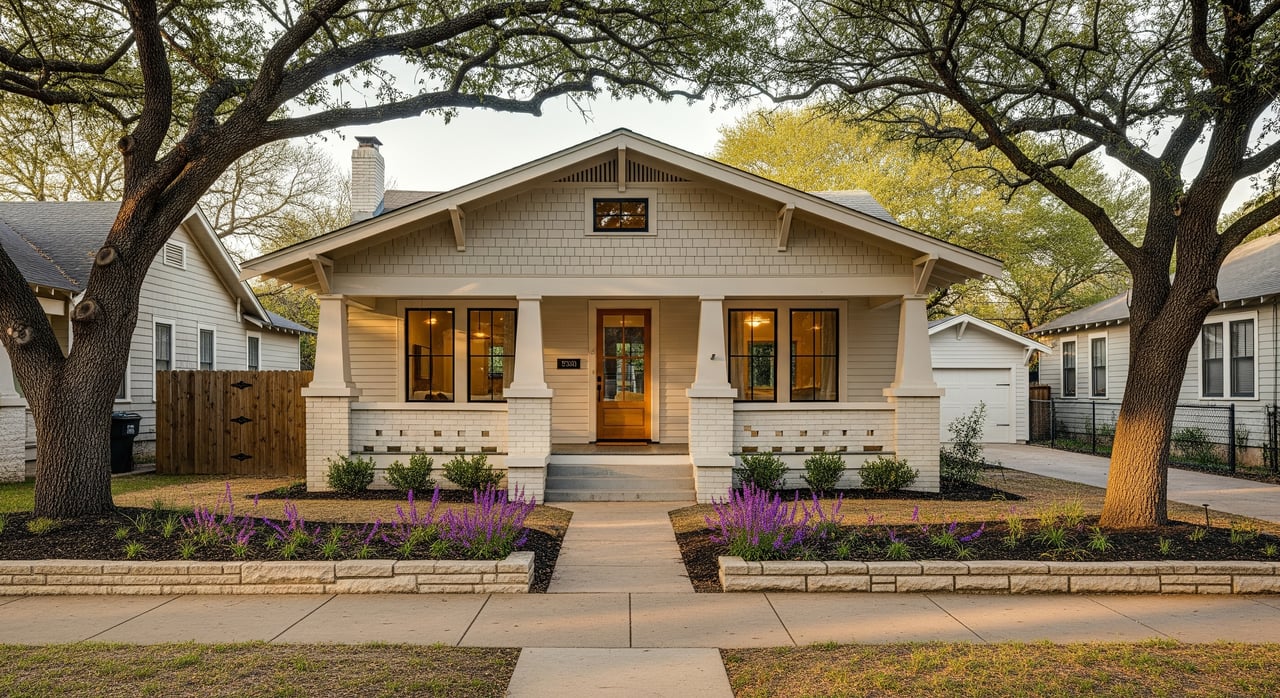
Hyde Park bungalows typically date from about 1905 to 1930 and often blend Craftsman details with straightforward, livable layouts. Outside, expect low-pitched gabled or hipped roofs, wide eaves with exposed rafters or brackets, and front porches supported by square or tapered columns. Most have wood siding and simple, horizontal massing that fits the block.
Inside, you will often find original hardwood floors, built-in bookcases or cabinetry, and distinctive moldings. Rooms are usually smaller than today’s open plans, and windows are often original wood double-hung styles. Many homes started around 700 to 1,400 square feet as single-story or one-and-a-half-story houses, with some properties expanded over time.
Common condition issues
Older bungalows come with older systems, which is part of their character and part of the due diligence. Many Hyde Park homes sit on pier-and-beam foundations, which allow under-floor access but can show sagging, moisture, or wood-rot issues if not maintained. Grading, gutters, and downspout extensions are small details that make a big difference for drainage.
Electrical and plumbing systems vary. Some homes still have older wiring types or two-prong outlets, and plumbing may include galvanized lines that need updating. Roofs and porch connections deserve careful review, since flashing and tie-ins can be weak points in an older envelope.
You should also plan for potential environmental hazards common to pre-1978 homes. Lead-based paint and some asbestos-containing materials may be present in historic finishes or insulation. A qualified inspector can advise on testing and safe handling practices.
Historic and zoning basics
Parts of Hyde Park fall under local historic district or overlay rules. If a property is within a local district or has landmark status, exterior changes visible from the street often require approval from the City of Austin Historic Preservation Office, typically through a Certificate of Appropriateness. Interior changes are usually not regulated by the historic overlay, though standard building permits may still apply.
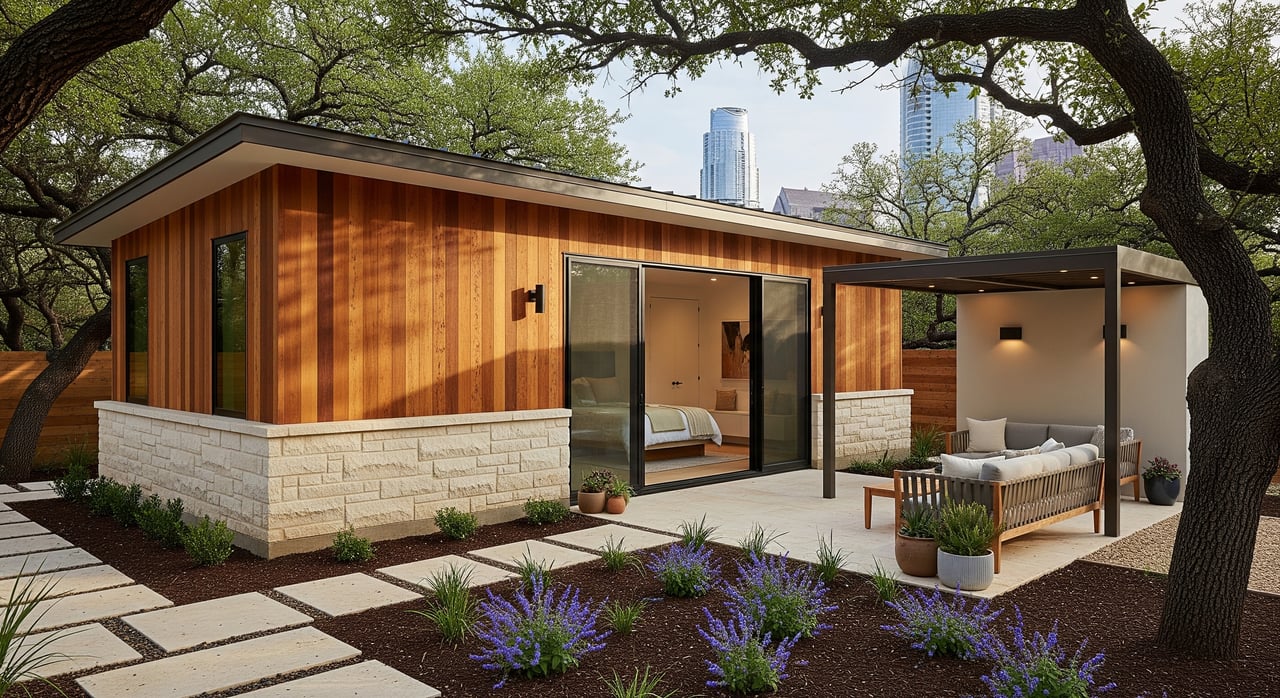
Zoning in Hyde Park is predominantly single-family, with categories like SF-3 and other standards that can vary by block. If you are considering an addition or an accessory dwelling unit, you must confirm lot size, setbacks, lot coverage, impervious cover, and any compatibility or neighborhood conservation rules that apply to that specific parcel.
Renovation and permits
Historic properties benefit from contractors who know older construction. Retaining and repairing original features is often preferred to replacing them, especially for windows, porches, and siding. That approach preserves character and can also align with local historic guidance, which can affect timelines and costs.
Expect permits for structural changes, electrical or plumbing overhauls, HVAC replacements, and many exterior projects. It is smart to gather a property’s permit history and request bids that separate historically sensitive repair from full replacement, so you can compare scope and cost scenarios.
Buying and financing tips
Standard mortgages like conventional, FHA, and VA loans can work for Hyde Park bungalows. Lenders and appraisers may require safety or habitability items to be addressed before closing or within a set timeframe. This is common with older homes and does not have to derail your purchase if you plan ahead.
If you want to buy and renovate in one go, renovation loans can help. FHA 203(k) and Fannie Mae HomeStyle Renovation loans allow you to finance repairs with the purchase, subject to program rules. Work with a lender who has experience with these products, and build your budget and timeline into your pre-approval.
Buyer checklist
Use this quick list when you are touring and preparing an offer:
- Historic and zoning
- Is the home in a local historic district or overlay? Verify on City of Austin maps.
- Confirm zoning, setbacks, and lot coverage if you plan additions or an ADU.
- Records and systems
- Request permit history for foundation work, additions, electrical, plumbing, and HVAC.
- Ask for ages and service records for HVAC, water heater, roof, and major systems.
- Check for boundary or easement notes, including alley access.
- Inspection focus areas
- Foundation type, pier condition, and any signs of sagging or prior leveling.
- Drainage and moisture under the house, plus gutters and grading.
- Roof age and flashing details, including porch tie-ins; siding condition.
- Electrical panel capacity, wiring type, and outlet grounding; plumbing materials and water pressure.
- Evidence of termites or wood-destroying organisms.
- Lead paint disclosures for pre-1978 homes and potential asbestos in older finishes.
- Consider a sewer scope if clay or older lines are likely.
- Specialist pros to consider
- Structural engineer for foundation concerns.
- Licensed electrician and plumber for system evaluations.
- Termite inspector and a contractor experienced with historic homes for estimates.
Offer and negotiation
- Use inspection results to negotiate repairs or pricing, focusing on structural and system priorities.
- If big-ticket items are unknown, consider allowances or credits to address them after closing.
- In competitive moments, time your contingencies carefully, and ask about realistic timelines for any historic approvals you will need.
- Keep your lender in the loop if repairs must be completed before closing so your loan stays on track.
After you buy
If your plans include exterior work and you are in a local historic area, connect early with the City of Austin Historic Preservation Office. Clear scope definitions and a realistic schedule will help you avoid delays. Build a go-to roster of contractors who understand older homes, and set an annual maintenance plan for paint, woodwork, porches, and water management.
Costs and budgeting
Renovation costs vary widely based on condition and scope. Cosmetic updates tend to be more predictable, while foundation work, full system replacements, and historically sensitive exterior repairs can add up. A common best practice is to include a contingency of about 10 to 20 percent of your renovation budget for surprises.
Remember that property taxes are assessed by the Travis Central Appraisal District, and homestead exemptions can reduce the burden if you will occupy the home. Historic rehabilitation tax credits generally target income-producing properties, so most owner-occupied single-family projects will not qualify. If you are unsure about floodplain or other site considerations, add those checks to your due diligence list.
Next steps
If a Hyde Park bungalow is calling your name, you deserve a plan that fits your timeline, budget, and long-term goals. We can help you verify historic status, pull hyper-local comps, coordinate inspections, and map out a renovation roadmap that matches lender requirements. Ready to take the next step? Reach out to Sean Tipps for local guidance tailored to your shortlist.
FAQs
Are Hyde Park bungalows always historic or restricted?
- Many are historic in age, but only properties within local historic overlays or districts face exterior review, so always verify a specific address on city maps.
What defines the Craftsman bungalow style in Hyde Park?
- Look for low-pitched roofs, exposed rafter tails or brackets, a front porch with square or tapered posts, wood siding, and original interior features like built-ins.
How do pier-and-beam foundations affect ownership?
- Pier-and-beam foundations make under-floor access easier but can show sagging or moisture issues, so expect focused inspection and periodic maintenance.
Can I add an ADU or expand a Hyde Park bungalow?
- Often possible, but it depends on zoning, lot size, coverage limits, and any historic overlay rules, so confirm with city code for your specific lot.
What loan options help with bungalow renovations?
- Standard mortgages work, and renovation loans like FHA 203(k) and Fannie Mae HomeStyle can bundle repairs with your purchase if the home needs updates.